Do Cats Actually Keep Spiders Out of Your House? Here's What Experts Say
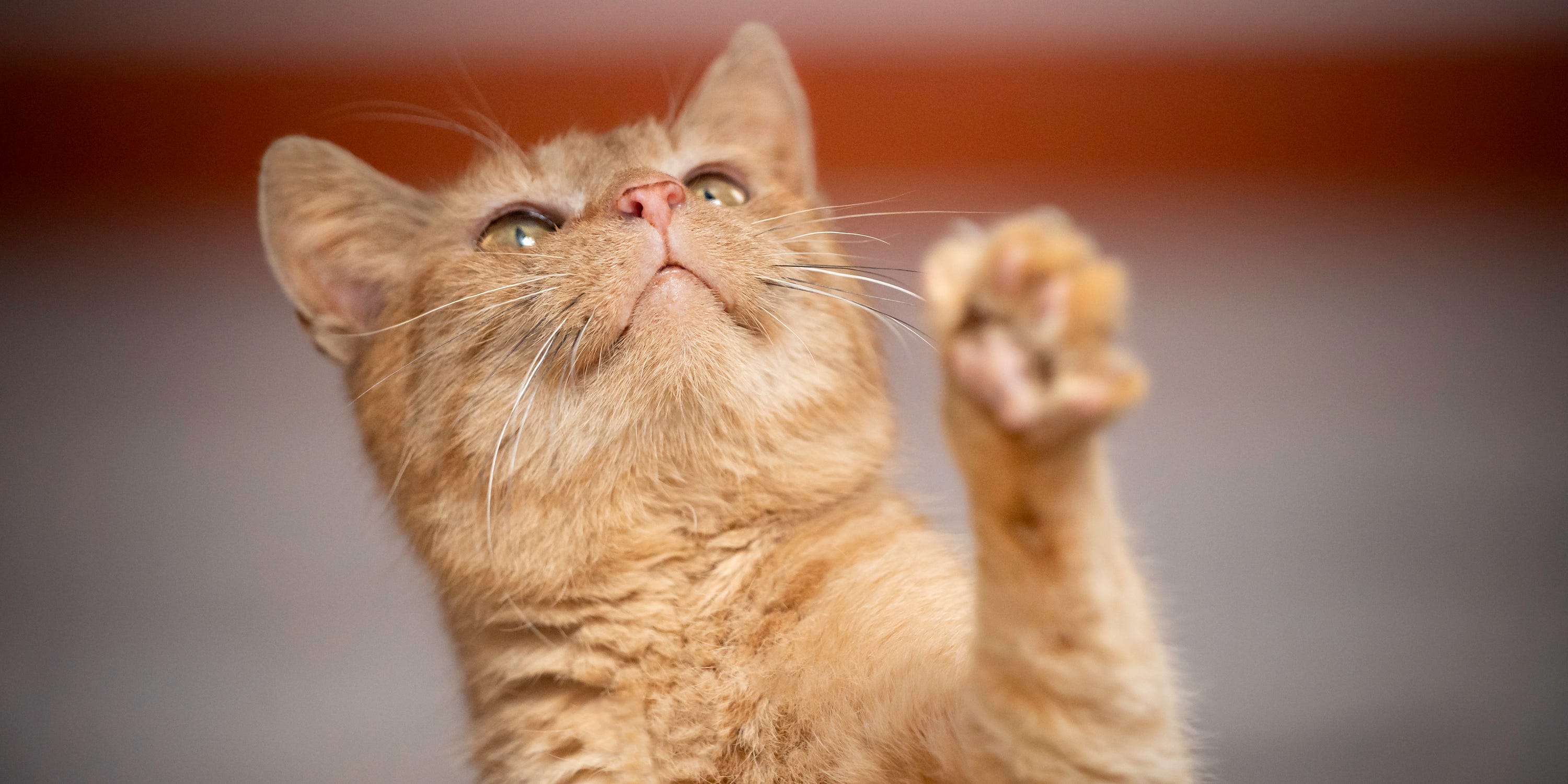
Do Cats Repel Spiders? Experts AnswerAnita Kot - Getty Images
"Hearst Magazines and AOL may earn commission or revenue on some items through these links."
As all cat parents know, kitties love to chase anything that moves, from cat toys like laser pointers to faux mice.
This is because cats have historically been more than just family pets. People have long relied on them to catch mice in the home. That’s why modern-day cats still show these innate hunting behaviors, whether it's toys, birds outside a window, or anything else that might scamper across the floor.
This includes spiders. Have you ever seen your cat stalking a spider, or perhaps even catching one? Why do common house cats do this? Is it safe for them—and does it keep your home spider-free?
Why do cats hunt spiders?
“Cats naturally hunt and eat a variety of prey, primarily small mammals and birds, but they will also eat some smaller animals, such as lizards, insects, and even spiders,” explains Mikel Delgado, Ph.D., certified cat behavior consultant with Rover. “They are often attracted to the erratic movements of prey, such as prey that are small and relatively non-threatening. These behaviors are not specific to spiders—cats are just hard-wired as hunters.”
While you don’t want to encourage your cats to eat spiders, they can help repel them simply by chasing them.
If you don’t love the idea of your cat chasing these creepy-crawlies or trying to eat them, Delgado says you can’t switch off that hunting behavior, but you can provide alternative stimulation. Try offering interactive items such as wand toys, food puzzles, solo play toys, clicker training, and other sensory enrichment.
What to do if your cat gets bit by a spider
If your cat catches one of these eight-legged fellows, they may get bitten in the process. Luckily, most house spiders aren’t venomous, but you still may want to take precautions.
“The first thing I tend to ask in this situation is, are we sure it’s a spider bite?” says veterinarian Rebecca Greenstein, D.V.M., veterinary medical advisor for Rover. “I can’t tell you how many people come to me after finding a sudden onset reddish spot and simply declare it’s a spider bite, when really it’s just speculation, and it’s more likely to be a number of other more common things, like another insect’s bite, an ingrown hair, an early skin infection or abscess, or a wound.”
If you’re sure it’s a spider bite from a non-venomous spider, you likely won’t have to visit the vet. In that case, the bite will cause only minor irritation. In addition to monitoring the bite, you can use a brief cool compress and make sure your cat doesn’t lick the area, says Greenstein.
“If you live in a region where venomous spiders are endemic, a more significant swelling with redness or signs of overall illness should prompt a vet visit,” she cautions.
Are cats effective at repelling spiders?
Although you might catch your kitty chasing the occasional spider, they're unlikely to take out a large population.
That’s because spiders tend to hang out in moist spaces with prey (i.e., mosquitoes or flies), and these areas are typically found in attics and crawl spaces—spots where you likely won’t find your cat, says Delgado.
If you have a cat at home and are eager to rid your home of insects or prevent spiders in the first place, simply having a cat isn’t enough to totally deter spiders.
“If there are a lot of spiders in your home, you should talk to a pest control expert who can help you determine why you have spiders inside,” suggests Delgado. “A pest control expert can help you with cat-friendly solutions.”
You Might Also Like
Eat These Expert-Recommended Foods to Lower Your Blood Pressure Naturally
We've Tested Over 300 Sets of Bed Sheets. These Are the Best.
170 Corny Jokes That Are Seriously Funny
Source: Nature



0 Comments